
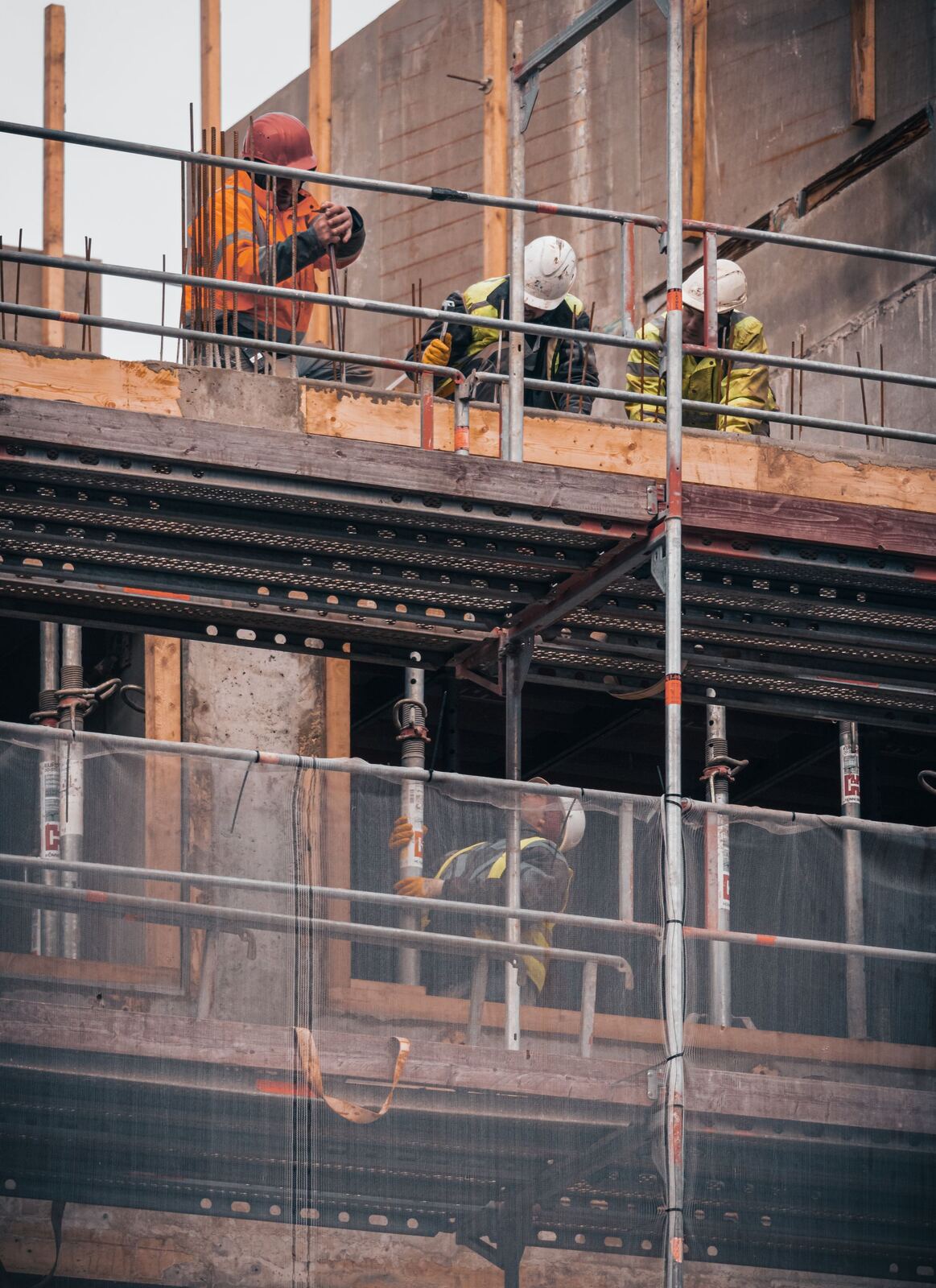
Erection, Modification and Dismantling: Planning the Whole Scaffold Lifecycle
Scaffolding is often discussed in terms of the day it goes up. In practice the work spans a longer lifecycle: installation, modification as the job develops, ongoing support while crews rely on it, and dismantling once access is no longer needed.
Summit's 2026 capability statement describes safe and efficient installation, modification, dismantling and ongoing support for projects of varying size and complexity. The approach is tailored to site conditions, operational priorities and project schedules, using systems that range from traditional Tube & Fit to the AT-PAC Ringlock modular system.
Modification is where planning is most often tested. Work scopes change, other trades arrive, and access needs shift. Treating a change as a managed task, with the same risk assessment, competent personnel and inspection and tagging as the original build, helps keep the structure accountable for its intended use.
Dismantling benefits from the same discipline. Coordinated logistics and materials management, including demobilisation and materials reconciliation, help make sure equipment is accounted for and removed in a sequence that suits the wider site.
Where a structure is complex or the access requirement is specialised, scaffold design and engineering coordination can support the plan. Where engineered design is required, drawings and supporting documentation can be developed and verified by suitably qualified engineers.
A useful starting point is to plan all four stages at once: how the scaffold will be installed, how it may need to change, who will inspect and tag it, and how it will come down. The specific requirements should always be confirmed against the project, the site procedures and the applicable standards.
General information only. Site conditions, client procedures and applicable standards determine the right approach for each job.